House Hacking with an FHA Loan in Utah: The 2026 Agent's Playbook
April 13, 2026 · Jocelyn Kaufman
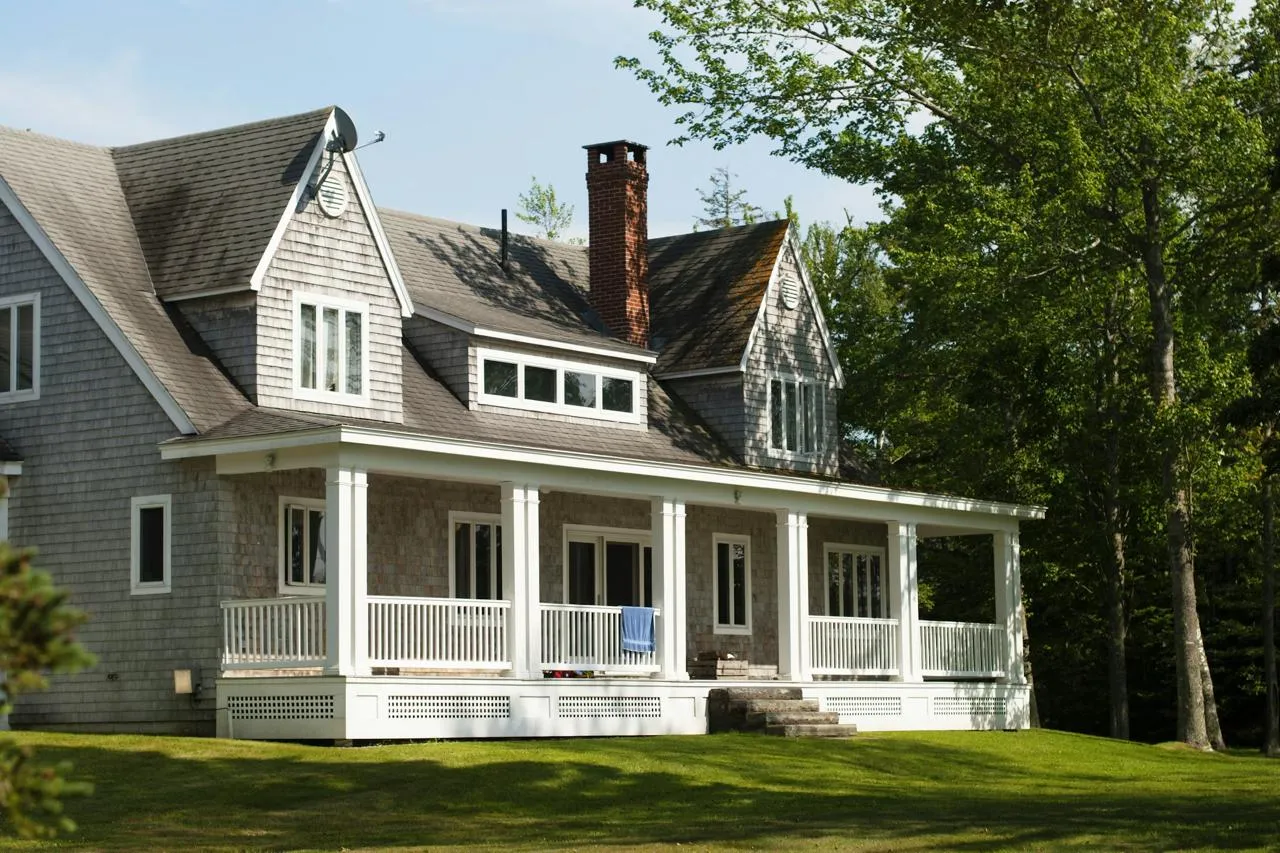
Every week I get the same question from agents: “My client has $15k saved. Can they actually house hack something in Utah?” The answer is yes — and a house hacking FHA loan in Utah is still the single best on-ramp to ownership for Wasatch Front buyers in 2026. You just have to know where to look, what the numbers need to clear, and how to run the analysis fast enough that your client doesn't lose the property to someone else.
This is the playbook I use when a buyer asks about house hacking — the same one my investor clients get when they're comparing duplexes on a Tuesday night and need an answer by Wednesday morning.
Why a House Hacking FHA Loan in Utah Still Works
House hacking means your client buys a 2-4 unit property, lives in one unit, and rents the others. The FHA piece is what makes it possible at any kind of reasonable income level: 3.5% down on an owner-occupied property, up to the county loan limit. In most Utah counties in 2026, that limit on a duplex is well above what a typical starter duplex trades for in Ogden, West Valley, or the older neighborhoods of Salt Lake proper.
The math that matters:
- 3.5% down on the purchase price (not per unit)
- 12 months of owner-occupancy required before they can move out and keep renting
- 75% of projected rents from the other units can usually count toward qualifying income
- Self-sufficiency test on 3-4 unit properties in FHA-land — the rents must cover the mortgage
The Utah Submarkets Still Penciling in 2026
Not every Wasatch Front submarket produces a deal. Here's where I'm seeing duplexes and small multis that actually cash flow after the owner moves out:
- Ogden (east bench + downtown): Older duplexes in the $450-550k range with $1,400-1,700 per-unit rents.
- West Valley / Kearns: ADU-eligible single-family with basement conversions. Not a true duplex, but same math.
- Sugar House / Poplar Grove: Harder to find, but triplexes show up occasionally and rent strong.
- Clearfield / Layton: Newer small multis, tighter cap rates, but stable rents with Hill AFB demand.
When I'm pulling listings for a house hack client, I run the search with investment filters turned on — cap rate, monthly cash flow, and price-to-rent ratio all in the MLS filter. See what Brick & Yield offers to see the investor-specific filters I'm talking about.
Running the Numbers Before Your Client Writes an Offer
This is where most agents lose the deal — they let the client go home, spreadsheet it themselves, and come back three days later when the property is under contract. Your job is to have a defensible cash flow analysis in the client's hands within an hour of showing the property.
Here's the minimum the analysis has to answer:
- What's the all-in monthly payment with MIP, taxes, and insurance?
- What rent can they realistically get on the non-occupied unit(s)?
- When they move out in year two, what's the full cash flow?
- What's the cash-on-cash return assuming they exit the FHA in year 2 and refi?
The built-in investment calculator in Brick & Yield will hit all four with the property pre-populated from the MLS — down payment, interest rate, vacancy, property management, and cap ex are all adjustable so you can run the base case and a stress case side by side.
The FHA Self-Sufficiency Test Nobody Explains
On 3-4 unit FHA purchases, the property itself has to pass the self-sufficiency test: the sum of 75% of projected rents from ALL units has to cover the full PITI. If it doesn't, the loan won't close regardless of how qualified your client is.
Utah triplexes and fourplexes in 2026 are right on the edge of this. A $700k fourplex with $1,400 rents passes. The same fourplex at $780k probably doesn't. This is the silent deal-killer that catches agents who haven't done this before.
Run a quick self-sufficiency check on every 3-4 unit FHA offer before you write. If you're using the investment analysis tool inside Brick & Yield, pull the projected rents, multiply by 0.75, and make sure the number clears your PITI estimate.
The Post-Close Playbook: Setting Your Client Up for Deal #2
Here's where house hacking becomes a career rather than a one-off transaction. Your client moves into unit one, lives there for 12 months, then moves to their next house hack — ideally with another FHA-or-conventional owner-occupied loan. Do that three or four times and they own a small portfolio.
For you, the agent: tag this client as a house hacker in your CRM, set up a saved search that alerts them on new duplexes in their target submarkets, and stay in the property-specific messaging thread on the unit they bought so they come back to you for deal #2. Sign Up to get the full investor workflow — the client pipeline, tagged labels, and saved alerts are all built in.
Questions Every House Hack Client Is Going to Ask
Have answers ready for these, because they'll come up on every call:
- “Can I rent on Airbnb instead of long-term?” Not during the 12-month owner-occ period for FHA. Afterward, check city short-term rental ordinances — Salt Lake City, Ogden, and Park City all have different rules.
- “What if the tenant doesn't pay?” Utah is a relatively landlord-friendly eviction state but it still takes weeks. Build a 2-3 month reserves assumption into their cash flow analysis.
- “Can I refi out of FHA later?” Yes — most clients refi out of the MIP burden into conventional once they have 20%+ equity, typically year 3-5.
- “What about property management?” Most live-in house hacks self-manage the first property. When they move out or scale to deal #2, property management typically runs 8-12% of rent in Utah.
The Bottom Line
A house hacking FHA loan in Utah still works in 2026, but the margin for error is thinner than it was in 2021. Your value as an agent is helping the client move fast, run defensible numbers, and avoid the self-sufficiency trap on larger properties. The agents who own the investor niche in Utah are the ones who've made the investment analysis part of the showing, not a separate conversation. That's the shift.

Written by
Jocelyn Stoddard
Founder of Brick & Yield — a Utah real estate agent and investor who built Brick & Yield to keep agents at the center of every client relationship.