House Hacking a Duplex in Utah: What Agents Need to Know in 2026
April 14, 2026 · Jocelyn Kaufman
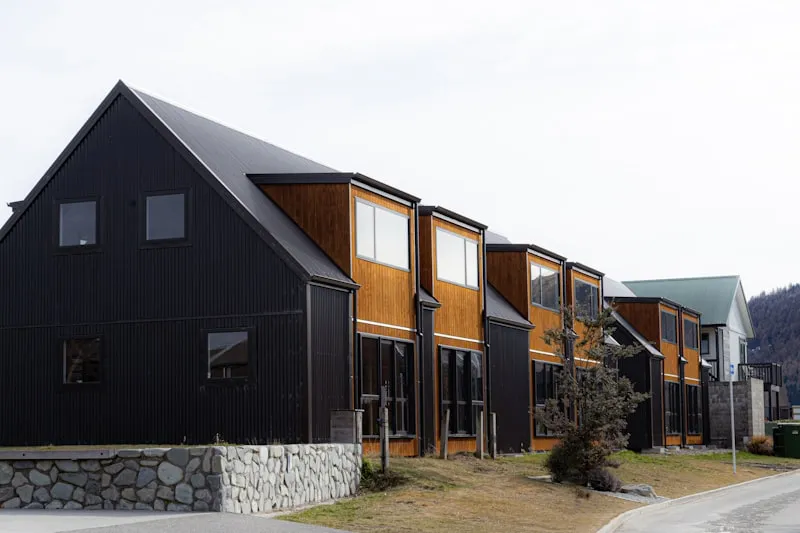
House hacking a duplex in Utah has quietly become the most common first investment for buyers along the Wasatch Front. It's not because duplexes are suddenly everywhere — they're not. It's because everything else (condos, starter homes, townhomes) has priced out the people it used to serve, and a duplex is the one play that gets a first-time buyer into something cash-flow positive at owner- occupied financing terms.
If you're an agent and you haven't worked a duplex house hack deal yet, this is the year to get comfortable with it. Here's how I approach it.
Why House Hacking a Duplex in Utah Makes Sense Right Now
Interest rates in 2026 are still pressuring cash-on-cash returns for pure rentals. A duplex house hack works because the client puts 3.5-5% down (FHA or conventional owner-occ), lives in one unit, and effectively subsidizes their own housing with rent from the other side. When they move out in year two, both units rent and the property runs as a traditional duplex.
The math works because the loan terms are better than investor financing, the down payment is small, and the client is locking in today's price on a property that will produce income for decades.
Where to Find Utah Duplexes Worth Running Numbers On
Duplex supply along the Wasatch Front is genuinely tight. Most of what lists is older product — 1940s-1970s builds in established neighborhoods. The submarkets that still produce deals:
- Ogden 84401 / 84403: The deepest duplex inventory in Utah by far. Prices run $400-600k with rents that often support the payment even at current rates.
- Sugar House / 9th & 9th: Lower inventory, higher prices, but strong tenant demand and appreciation.
- West Valley / Magna: Occasional pocket duplexes and ADU conversions. Watch for properties that are technically SFR but have separate entrances.
- Clearfield / Layton: Newer small multis and some developer duplex builds. Tighter yields but less maintenance.
The fastest way to stay on top of new duplex inventory is to save a search with the property type locked to 2-unit, draw a polygon around the submarket, and assign the saved search to your client as an alert. See what Brick & Yield offers to see how polygon search and saved alerts work inside the platform.
What the Numbers Need to Look Like
I tell clients we're looking for a duplex where three things are true:
- Payment parity while owner-occupied: The rent from the other unit should cover at least 50-70% of the total monthly payment (PITI plus MIP).
- Positive cash flow at full rental: When they move out, both units should produce $200-500/month in cash flow after all expenses at conservative assumptions (8% vacancy, 10% property management, 5% cap ex).
- Reasonable cash-on-cash: 8-12% cash-on-cash on the total cash invested once fully rented. Under 6% and I'd push them to another deal.
Brick & Yield runs all three calculations automatically from the MLS listing. The buyer can see cap rate, monthly cash flow, yearly cash flow, and cash-on-cash ROI on the property card itself — no separate spreadsheet, no waiting for the agent to run numbers.
Qualifying the Client Before You Write Offers
The client conversation before the MLS search saves you 40 hours of wasted showings. Walk through:
- Cash to close: 3.5% FHA or 5% conventional, plus 2-3% closing. On a $500k duplex that's $25-40k.
- Reserves: Most lenders want 2-6 months of PITI in reserves after close on investment-adjacent purchases.
- Credit: 620+ for FHA in practice. Lower is possible but pricing gets ugly.
- Self-employment factor: Utah has a lot of 1099 buyers. Two years of returns, or DSCR-style options for refi later.
- Intent to occupy: Not negotiable on FHA. 12 months of actual residence.
Once they're qualified, mark them as a house hacker or investor in your client pipeline. That tag drives which saved searches they get, which units you pull for them, and which investment assumptions auto-apply to their cash flow view.
The Inspection and Due Diligence Items That Matter on a Duplex
Duplexes have a handful of risk areas that single-family buyers don't think about:
- Separate utilities: Are gas, electric, and water metered per unit? If not, the owner eats the difference.
- Shared systems: One furnace for both units is a headache. Check during due diligence.
- Zoning: Some older Utah duplexes are technically non-conforming. Verify with the city.
- Rent control / caps: Utah has no statewide rent control, but watch HOA restrictions in some newer developments.
- Insurance: Landlord policies on owner-occupied duplexes are their own conversation — worth getting quotes during due diligence.
Build a checklist for duplex due diligence and reuse it on every transaction. Sign Up if you want to use the custom transaction checklists that come prebuilt for investment purchases.
What to Tell a Client on the First Duplex Showing
The first showing is where most agents blow the deal by either over-selling or being too passive. Walk through a structured tour:
- Start with the occupied unit (if there is one). Meet the tenant, get a read on condition, confirm rent amount and lease end date.
- Walk the mechanicals. Furnace, water heaters, roof age, electrical panel. Duplexes 50+ years old will have deferred maintenance you need to price in.
- Check unit separation. Separate entries, sound isolation, shared walls. Tenants who hear everything next door leave faster.
- Run the numbers on the property card. Open the investment calc, show them monthly cash flow at current rents and at market rent. Don't leave them guessing.
- End with the decision. “This one works at $480k. At $510k the math breaks. What do you want to offer?” Make the next step obvious.
Five minutes of structure on the showing saves you three days of follow-up texts asking if the numbers still work.
The Bottom Line
House hacking a duplex in Utah in 2026 is one of the cleanest first-deal stories you can tell a client. The inventory is thin but the math still works in a handful of submarkets, and the agent who shows up with investment-grade analysis on the showing is the one who writes the offer. The rest of the industry is still handing clients Zillow links and hoping they figure it out — that gap is your opening.

Written by
Jocelyn Stoddard
Founder of Brick & Yield — a Utah real estate agent and investor who built Brick & Yield to keep agents at the center of every client relationship.